


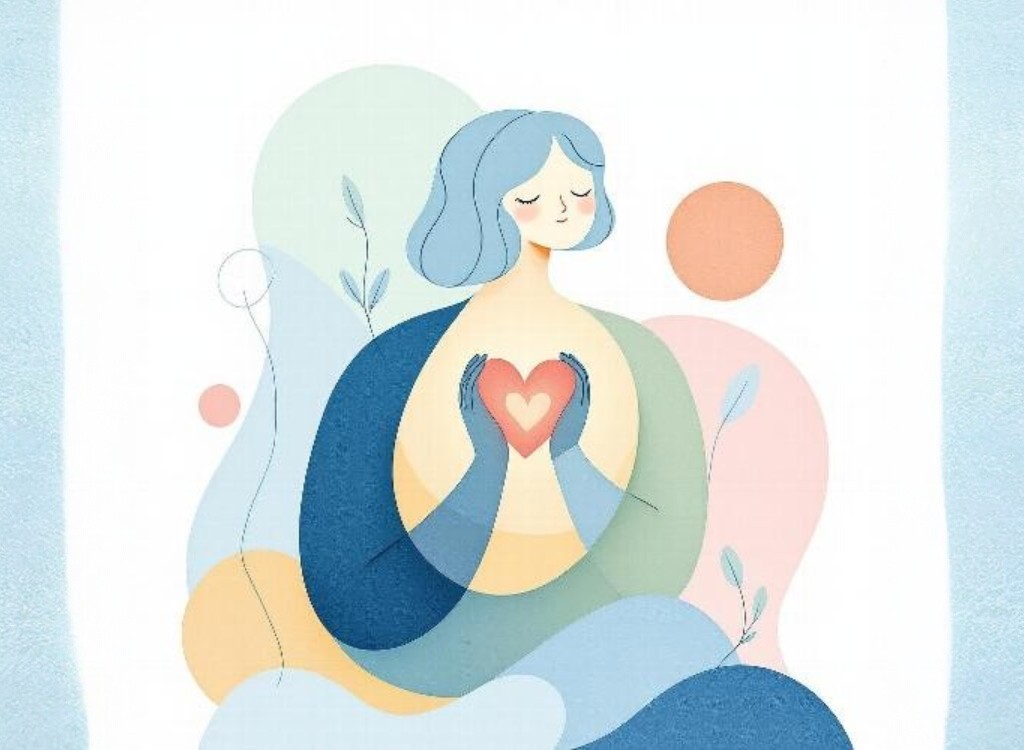
Why Self-Love Matters: How Your Childhood Shapes Your Self-Worth and Life Decisions
What does it really mean to love yourself?
Loving yourself is not vanity, it is not selfishness or ego. Self-love is the foundation of how we experience life. It shapes the choices we make, the relationships we accept, the boundaries we hold, and the dreams we believe we are worthy of pursuing. Every decision, from the quiet daily ones to the life changing ones are filtered through a single question, often unspoken:
“What do I believe I deserve?”
And that belief comes from how we see ourselves.
How childhood shapes our sense of worth
The way we are raised leaves deep impressions on our self-worth. As children, we learn who we are through how others treat us and speak to us. If we grew up in environments of criticism, emotional distance, inconsistency, or conditional love, we often internalize a painful message:
“I am not enough unless I perform, please, or prove myself.”
On the other hand, nurturing, safe, emotionally aware environments tend to support inner confidence, but not all of us were fortunate enough to experience that.
Common childhood experiences that affect self-worth include:
- being compared to siblings or others
- feeling responsible for others’ emotions
- growing up around anger, instability, or addiction
- being praised only for achievement, not for simply existing
- not being heard or validated
- experiencing neglect or abandonment
- being the “strong one” or “peacemaker” of the family
These experiences do not just stay in the past. They become the lens through which we see ourselves in adulthood. We may become people-pleasers, perfectionists, overachievers, caretakers, or chronic self-critics, not because we are flawed, but because at some point, we learned that love had to be earned.
Other life experiences that impact self-worth
While childhood forms the roots, life continues to add layers.
Our self-worth can be impacted by:
- unhealthy or controlling relationships.
- workplace culture or burnout
- social media comparison
- financial stress
- chronic illness or changes in the body
- grief and loss
- trauma or difficult life transitions
- repeated failure or disappointment
Every one of these experiences can repeat the same story:
“Maybe I’m not good enough.”
Without awareness, that story becomes the background of life, always there but rarely questioned.
The connection between self-worth and your life decisions
Our self-view is not just emotional; it is real and controlling.
It influences:
- the partners we choose.
- how we allow others to treat us
- whether we prioritize rest or push beyond exhaustion
- the careers we stay in or leave.
- what risks we are willing to take.
- whether we speak up or stay silent
- how we care for our bodies and minds
When you believe you are unworthy, decisions are made from fear, scarcity, and self-protection. When you believe you are worthy, decisions are made from clarity, self-respect, and possibility. Self-love does not mean you think you are perfect. It means you finally understand that you deserve kindness, especially from yourself.
What self-love looks like in everyday life
Self-love is not just affirmations or bubble baths. It is deeper, quieter, often braver.
Self-love looks like:
- setting boundaries and holding them
- saying “no” without guilt
- leaving relationships that hurt your spirit.
- asking for help
- resting without justification
- speaking to yourself with gentleness
- forgiving past versions of yourself
- recognizing that growth takes time.
Sometimes, self-love is simply staying present with your own heart and saying:
“I matter “
Healing the “not enough” story
You do not have to erase your past to love yourself. You do not have to become someone different. Healing self-worth is about remembering who you are beneath the conditioning, expectations, and survival patterns. It is giving yourself the love you once needed. It is rewriting the belief that you must earn love.
A gentle truth
Your relationship with yourself is the longest relationship you will ever have. It is the one constant from your first breath to your last. Every area of your life, love, work, health, purpose, peace, grows from how you see and treat yourself.
So, loving yourself is not optional. It is essential.
Not because it makes life perfect, but because it allows you to walk through life with compassion, strength, and the quiet knowing that you are enough.